
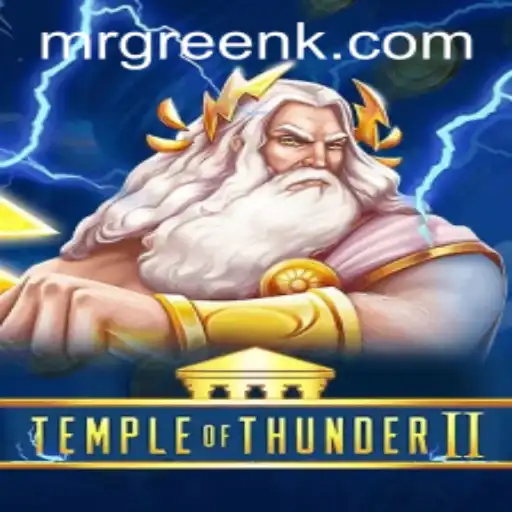
Embark on a Divine Adventure with Temple of Thunder II
In the world of gaming, few titles capture the imagination as effectively as Temple of Thunder II. This exhilarating game takes players on an epic journey steeped in mythology, pitting them against celestial forces in a quest for glory and riches. As Temple of Thunder II emerges as a trending topic across gaming communities, we'll delve into its fascinating features and mechanics. The integration of contemporary themes and advanced gaming technologies makes this game a must-play for enthusiasts and casual gamers alike.
The Mythical World of Temple of Thunder II
Temple of Thunder II transports players to an ancient world dominated by deities and godlike powers. The game's setting draws inspiration from various mythologies, creating a unique blend of cultures and divine narratives. Players can explore stunning temple ruins, lush landscapes, and celestial realms. The mythical backdrop forms the perfect canvas for the game's central narrative—an adventurous quest to harness the power of the elements.
Introduction to Temple of Thunder II
Building on its predecessor, Temple of Thunder II enhances the gaming experience with cutting-edge graphics, improved mechanics, and a more intricate storyline. The game's developers have meticulously crafted each element to deliver an immersive experience. From atmospheric visual and auditory elements to intelligently designed gameplay features, Temple of Thunder II offers a comprehensive package for players eager to challenge the likes of Zeus, Thor, and Ra in their virtual avatars.
The game capitalizes on its engaging mythology by allowing players to choose their favorite deity, each with unique abilities and powers. As players progress, they gain access to incredible artifacts and spells that enhance their capabilities and prepare them for increasingly difficult challenges.
Rules and Gameplay Mechanics
Temple of Thunder II employs a dynamic combat system paired with a rich narrative structure to keep players captivated. The game's rules are straightforward yet provide ample depth to satisfy seasoned gamers. To begin, players select a deity, each offering distinct strategic advantages. As the game progresses, players must navigate through various levels, each presenting new obstacles and divine foes.
Players are required to collect elemental orbs scattered throughout the game world to fuel their divine powers. These orbs are crucial for casting spells, upgrading abilities, and overcoming powerful opponents. The synergy between character development and strategic planning creates a satisfying balance that rewards thoughtful play.
Incorporating a cooperative multiplayer mode, Temple of Thunder II allows players to form alliances and tackle challenges together. This collaborative aspect fosters a sense of community and competition as players strive to ascend the leaderboards.
Current Events and Cultural Relevance
With the ongoing expansion of digital platforms, games like Temple of Thunder II have become accessible to a global audience. As the gaming industry embraces the digital revolution, players can access new features seamlessly through patches and updates. Temple of Thunder II reflects this trend by providing an ever-evolving game environment that stays relevant with new content and adjustments based on community feedback.
Moreover, the game resonates with contemporary themes such as ecological balance and the importance of cultural preservation. By weaving these themes into the narrative, Temple of Thunder II not only entertains but also educates players on significant global issues.
Integration with Modern Digital Platforms
The keyword "bbd.bet" presents an intriguing integration opportunity within the gaming ecosystem. As many players enjoy exploring related digital content, platforms like bbd.bet might offer supplemental materials or experiences that enhance the game. This integration could deepen engagement by providing players with unique insights or incentives.
As gaming communities continue to grow, platforms that offer connected experiences, content, and competitive arenas become invaluable. By engaging players across multiple digital touchpoints, Temple of Thunder II positions itself as more than a game—it's an evolving narrative that bridges entertainment and education.
Conclusion
Temple of Thunder II stands as an exemplar of modern gaming excellence. With its captivating combination of mythology, dynamic gameplay, and cultural themes, it invites players to embark on an unforgettable journey. As developers continue to expand the game's universe, Temple of Thunder II promises to remain a luminary in the pantheon of contemporary titles.